
Understanding the psychological effects of gambling What drives the thrill
The Nature of Gambling and Its Appeal
Gambling has fascinated humanity for centuries, drawing people into the thrill of risking something valuable for the potential of a greater reward. This appeal is rooted in both the psychological and emotional aspects of decision-making. The adrenaline rush associated with gambling activities can lead to heightened feelings of excitement and anticipation, creating a stimulating experience that is hard to replicate. People are naturally drawn to activities that evoke strong emotions, and gambling often provides an exhilarating rollercoaster of highs and lows. For instance, many players might enjoy the offerings at DoubleDown Casino, which captures this spirit of entertainment without financial risk.
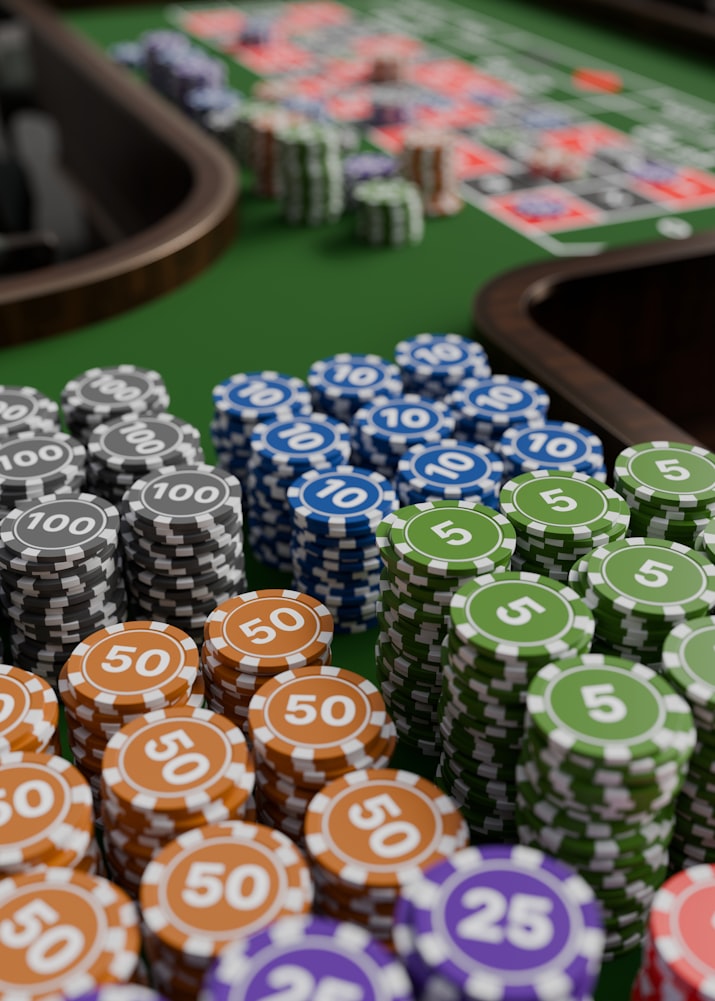
The essence of gambling lies in uncertainty; the unknown outcomes engage the brain’s reward system. This unpredictability is what keeps players returning for more, as each round or bet holds the promise of a life-changing win. It taps into our instincts and desires, making the stakes feel higher with each gamble. This cocktail of risk and reward can trigger feelings of empowerment as gamblers believe they can influence the outcome, leading to a potent mix of hope and excitement.
This attraction to gambling isn’t solely about winning money; it encompasses social interaction and entertainment as well. Many individuals engage in gambling as a way to bond with friends or escape the daily grind. The social aspect enhances the experience, as players share in both victories and defeats, making it more enjoyable. Consequently, gambling can provide a sense of belonging and community, reinforcing its psychological appeal.
Psychological Triggers of Thrill
The thrill of gambling can be attributed to several psychological triggers, one of which is the “near-miss” phenomenon. When players experience near-misses, such as almost winning a jackpot, it creates a feeling of hope that success is just within reach. This sensation can be intoxicating, often leading gamblers to continue playing in the belief that they are on the verge of winning. Such experiences can reinforce persistent gambling behavior, as players become conditioned to chase that elusive victory.
Additionally, variable rewards play a significant role in maintaining a gambler’s engagement. Unlike predictable rewards, variable reinforcement schedules—where wins occur randomly—can lead to persistent gambling habits. This unpredictability can be incredibly addictive, as players are driven by the idea that their next spin or hand may yield a substantial payoff. The brain responds to these variable rewards similarly to how it would react to drugs, creating a dopamine release that fuels the desire to gamble more.
The psychological aspects of competition also fuel the thrill. Many gamblers find themselves drawn to the idea of competing against others or even against the house. The desire to outsmart opponents or beat the odds can be a compelling motivator, tapping into our natural competitive instincts. This competition can heighten the excitement and enjoyment derived from the gambling experience, reinforcing why so many people are captivated by it.
The Role of Cognitive Biases in Gambling
Cognitive biases significantly influence gambling behavior and contribute to its psychological effects. One prevalent bias is the “illusion of control,” where gamblers believe they can influence the outcome of a game through their skills or strategies. This belief can lead to overconfidence and result in increased gambling frequency, as players continue to engage in risky behaviors under the illusion that they have some control over the results.
Another common cognitive bias is the “gamblers’ fallacy,” where individuals mistakenly believe that past outcomes will affect future results. For example, if a player experiences several losses in a row, they may feel that they are “due” for a win. This flawed logic can drive continued betting, as players chase the belief that their luck is about to change. Understanding these biases is crucial for recognizing the psychological traps that can keep gamblers ensnared in a cycle of risk and reward.
The impact of these biases is further compounded by the design of gambling games, which often exploit these cognitive tendencies. Games are designed to maximize engagement, using features like sound effects, lights, and enticing visuals that heighten excitement. This attention to sensory details can further entrench biases, making it easier for players to succumb to irrational beliefs and habits. The psychological implications are profound, as individuals may find themselves caught in a web of cognitive distortions that perpetuate their gambling behavior.
The Impact of Gambling on Mental Health
The psychological effects of gambling can extend beyond mere thrill-seeking; they can profoundly impact mental health. Problem gambling, characterized by compulsive behavior and an inability to stop despite negative consequences, is often associated with anxiety and depression. The stress of financial losses and the guilt from escalating gambling habits can exacerbate these mental health issues, leading to a downward spiral that is difficult to escape.
Moreover, the social stigma surrounding gambling can contribute to feelings of isolation and shame. Individuals struggling with gambling addiction may withdraw from friends and family, compounding feelings of loneliness and hopelessness. This alienation can further deteriorate one’s mental well-being, leading to a cycle of despair that can be challenging to break. As gambling becomes a focal point, other aspects of life may be neglected, amplifying the overall impact on mental health.
Addressing the psychological effects of gambling requires a multi-faceted approach, including education and support systems. Awareness campaigns can help individuals recognize the signs of problem gambling and encourage them to seek help. Therapy and counseling can provide tools for managing impulsive behaviors and developing healthier coping strategies. It is essential to foster an understanding of the psychological intricacies of gambling, ensuring that individuals have the resources they need to navigate its challenges responsibly.
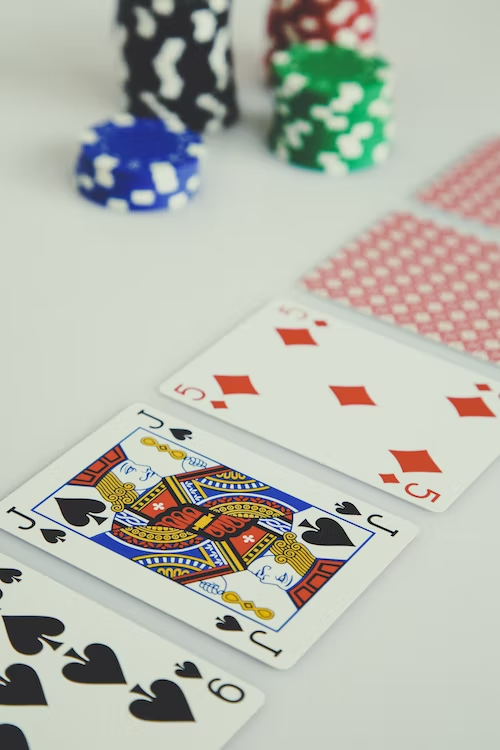
DoubleDown Casino: A Safe Gaming Environment
DoubleDown Casino offers a unique opportunity for players to experience the thrill of gambling without the financial risks typically associated with traditional betting. The platform creates an engaging and fun environment where users can play a wide variety of slots and table games, all designed for entertainment. By providing up to one million virtual chips upon registration, DoubleDown Casino allows players to immerse themselves in a captivating gaming experience without the fear of financial loss.
Designed for accessibility, DoubleDown Casino can be enjoyed on both desktop and mobile devices. This flexibility ensures that players can engage with their favorite games anytime, anywhere, adding to the convenience and appeal of the platform. The primary focus on social gaming enables users to connect with others while enjoying a casual gaming experience, making it a great alternative for those looking for thrills without the pressure of real-money stakes.
In summary, DoubleDown Casino emphasizes fun and entertainment over financial gain. This approach not only caters to casual gamers but also promotes responsible gaming practices. By offering a risk-free space to enjoy gambling-like experiences, DoubleDown Casino exemplifies a healthy way to engage with the psychological elements of gaming, allowing players to revel in the excitement without compromising their well-being.
