
As the winter months approach, many residents of Canada are eager to try their hand at ice fishing, a unique and exhilarating way to catch fish in the frozen lakes and rivers of the country. However, ice fishing can also be a hazardous activity if the proper precautions are not taken. This article will explore the safety precautions necessary for ice fishing in Canada’s harsh winter conditions, and provide valuable information on how to stay safe on the ice.
The Risks of Hypothermia and Other Cold-Related Injuries
Hypothermia is a serious condition that can occur when the body loses heat faster than it can produce it, causing a drop in body temperature. This can happen quickly in cold water, especially if you are not wearing proper clothing or gear. Understanding the warning signs of hypothermia is crucial to staying safe on the ice.
| Warning Signs of Hypothermia |
|---|
| — |
| Shivering or feeling cold |
| Confusion or disorientation |
| Slurred speech or loss of coordination |
| Drowsiness or loss of consciousness |
To stay warm and dry in extreme cold, it is essential to dress in layers, wear a hat and gloves, and stay dry. This can be achieved by wearing waterproof clothing and gear, and by staying inside if you are not actively engaged in fishing.
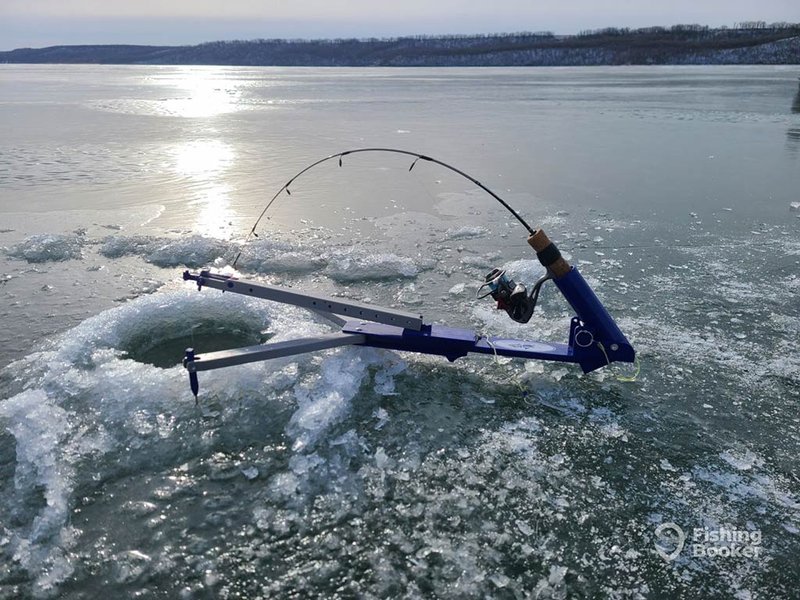
Fishing in Icy Waters: What You Need to Know
Ice fishing gear and equipment vary depending on the type of fish you are trying to catch and the conditions of the ice. It is essential to have the right gear to ensure a successful and safe fishing trip. Types of ice fishing gear include:
Ice augers for drilling holes in the ice Fishing rods and reels designed for ice fishing Ice fishing lures and bait Safety equipment such as life jackets and ice picks
When checking the ice for safety, look for signs of thin or weak ice, such as:
Cracks or fractures in the ice Dark or discolored ice * Soft or spongy ice
It is also essential to know the risks of falling through the ice, which can be fatal if you are not prepared. Always wear a life jacket and carry a phone or other communication device with you when fishing on the ice.
Ice Fishing Regulations and Permits in Canada
Before heading out on the ice, it is essential to know the regulations and laws governing ice fishing in Canada. These can vary depending on the province or territory you are in, so it is crucial to check with local authorities for specific information.
For players seeking reliable platforms, https://ice-fishingcasino.ca offers comprehensive solutions.
Some common regulations and permits required for ice fishing in Canada include:
Fishing licenses and permits Ice fishing gear permits Catch and release regulations Bag limits and size restrictions
Staying Safe on the Ice: Tips and Best Practices
Staying safe on the ice requires a combination of preparation, knowledge, and caution. Here are some valuable tips and best practices to follow:
Always fish with a buddy and let someone know your itinerary and expected return time Check the ice regularly for signs of thin or weak ice Wear proper clothing and gear, including a life jacket and ice picks Stay alert and aware of your surroundings at all times * Know what to do in case of an emergency, such as falling through the ice
Conclusion: Enjoying Ice Fishing Safely in Canada
Ice fishing can be a fun and rewarding experience, but it requires careful planning and preparation to stay safe on the ice. By understanding the risks of hypothermia and other cold-related injuries, knowing the regulations and laws governing ice fishing in Canada, and following valuable tips and best practices, you can enjoy ice fishing safely in Canada’s frozen lakes and rivers.